المؤسسات المالية الدولية
يعد تعزيز الشراكات مع المؤسسات المالية الدولية أمرا أساسيا للنهوض بجدول أعمال المؤتمر الدولي للسكان والتنمية وتحقيق خطة عام 2030.
مرّر للأسفليعد تعزيز الشراكات مع المؤسسات المالية الدولية أمرا أساسيا للنهوض بجدول أعمال المؤتمر الدولي للسكان والتنمية وتحقيق خطة عام 2030.
مرّر للأسفل
تعد المؤسسات المالية الدولية، بما في ذلك بنوك التنمية المتعددة الأطراف والإقليمية والوطنية ذات العمليات الدولية، شركاء إنمائيين بالغي الأهمية للنهوض ببرنامج عمل المؤتمر الدولي للسكان والتنمية وتحقيق النتائج التحويلية الثلاث لصندوق الأمم المتحدة للسكان بحلول عام 2030: إنهاء وفيات الأمهات التي يمكن الوقاية منها، وإنهاء والاحتياجات غير الملباة لتنظيم الأسرة، وإنهاء العنف القائم على النوع الاجتماعي وجميع الممارسات الضارة.
وفي تعاملها مع الحكومات الوطنية، تعمل المؤسسات المالية الدولية كشركاء في التنمية وممولين. وهي تساعد الحكومات في تعزيز التشريعات والمؤسسات والمساءلة، بينما تقدم أيضًا المساعدة المالية المباشرة في شكل منح وقروض ميسرة وغير ميسرة، وأدوات تقاسم المخاطر، والضمانات، والاستثمارات في الأسهم لدعم أولويات البلدان. وتتمثل القيمة المضافة المتميزة التي تجلبها في القدرة على تحفيز وتعبئة وحشد مصادر الأموال العامة والخاصة من أجل التنمية.
بما يتماشى مع خارطة طريق الأمين العام لتمويل خطة عام 2030والخطة الإستراتيجية 2022-2025، كان تركيز صندوق الأمم المتحدة للسكان في السنوات الماضية على تطوير أطر مشتركة للتعاون مع بنوك التنمية المتعددة الأطراف لتعزيز أوجه التآزر على المستوى الإقليمي والقطري ودعم الحكومات في الوصول إلى تمويل التنمية المستدامة والخبرة التنموية. وبذلك، أصبح صندوق الأمم المتحدة للسكان شريكا موثوقا به للعديد من المؤسسات المالية الدولية.
ويواصل الصندوق التعامل مع عدد متزايد من المؤسسات المالية الدولية، سواء من خلال التعاون التقني أو تنفيذ البرامج في إطار التمويل من المؤسسات المالية الدولية.

ويرتبط دور صندوق الأمم المتحدة للسكان باعتباره شريكا منفذا بدعم الحكومات في تنفيذ القروض والمنح دعما لأولويات التنمية الوطنية أو مساعدة المؤسسات المالية الدولية على تلبية المعايير الناجحة في مشاريعها الممولة بالمنح أو القروض أو مبادرات الشركات العالمية. وعلى المستوى العالمي، تعد مشاركة القيادة وتحديد مجالات التعاون الواضحة أمرًا حيويًا. وعلى المستوى القطري، من الضروري فهم الأولويات العالمية للمؤسسات المالية الدولية، إلى جانب تركيزها المحدد على المستوى القطري والطرق المتبعة في كل سياق.
وفي إطار الشراكة المالية، يستخدم صندوق الأمم المتحدة للسكان خبرته المتعددة الأوجه في دعم الحكومات في تنفيذ قروض أو منح المؤسسات المالية الدولية من خلال:

يعمل صندوق الأمم المتحدة للسكان مع المؤسسات المالية الدولية لتعزيز "أوجه التعاون غير المالي"، والتي تشمل:
ونتيجة لوجود عالمي واسع النطاق وإمكانية الوصول الموثوقة إلى الحكومات الوطنية، يقدم صندوق الأمم المتحدة للسكان خبرات محايدة لدعم المؤسسات المالية الدولية لتعظيم الأثر الإنمائي لكل دولار يتم استثماره في المنح والقروض الحكومية.
من خلال المعرفة التقنية والدراية في مجالاتنا المواضيعية، يمكن لصندوق الأمم المتحدة للسكان إضافة قيمة إلى عمليات المؤسسات المالية الدولية بما في ذلك في مجالات الصحة الجنسية والإنجابية، والشباب، والمساواة بين الجنسين، والمسائل السكانية. علاوة على ذلك، يمكن للقيادة الفكرية لصندوق الأمم المتحدة للسكان، باعتباره منظمة حكومية دولية، أن تساعد في تسريع جدول أعمال التنمية وتسخير آليات/أدوات التمويل المبتكرة بشكل فعال من مختلف المؤسسات المالية.
يتمتع صندوق الأمم المتحدة للسكان بحضور قوي في البلدان الهشة وعلاقات راسخة مع أصحاب المصلحة الوطنيين المعنيين. تعتبر "عمليات صندوق الأمم المتحدة للسكان على الأرض" ذات قيمة كبيرة للعديد من المؤسسات المالية، خاصة عندما يتعلق الأمر بالعمليات في الأوضاع الإنسانية. وينشط صندوق الأمم المتحدة للسكان في أكثر من 150 بلدا، وهو لا يسد فجوة الوصول إلى المؤسسات المالية الدولية فحسب، بل يدعم أيضا المؤسسات المالية لتصميم المشاريع والاستثمارات وفقا لأولويات قطرية محددة، مما يؤدي بدوره إلى زيادة القيادة والملكية القطرية.
وبفضل وجوده القطري بعيد المدى، يستطيع صندوق الأمم المتحدة للسكان المساهمة بالقدرات التشغيلية والبرنامجية والتقنية لدعم وصول البلدان إلى تدفقات التمويل المستدامة من المؤسسات المالية الدولية. على سبيل المثال، يتعاون صندوق الأمم المتحدة للسكان مع الحكومات والمؤسسات المالية لوضع رسوم أو ضرائب إلزامية (ضرائب صغيرة) لتمويل شراء سلع الصحة الجنسية والإنجابية ويعمل مع الحكومات لتلبية احتياجات السياسات والخدمات الوطنية المتعلقة بالصحة الجنسية والإنجابية.
وفي جميع السياقات، يستطيع صندوق الأمم المتحدة للسكان أن يضيف قيمة إلى عمليات المؤسسات المالية الدولية بنجاح من خلال تسخير ميزته النسبية؛ بالاعتماد على حضورها القوي في البلاد إلى جانب قدرتها على التعبئة السريعة لدعم أولويات التنمية القطرية. وفي عام 2021 وحده، كان لدى صندوق الأمم المتحدة للسكان عدد من الشراكات المستمرة القائمة على الاعتراف المتبادل بالقيادة الفكرية، والقوة التقنية، وتكامل صلاحيات الدعوة إلى عقد الاجتماعات على جميع المستويات - العالمية والإقليمية والقطرية.
أمثلة على شراكاتنا
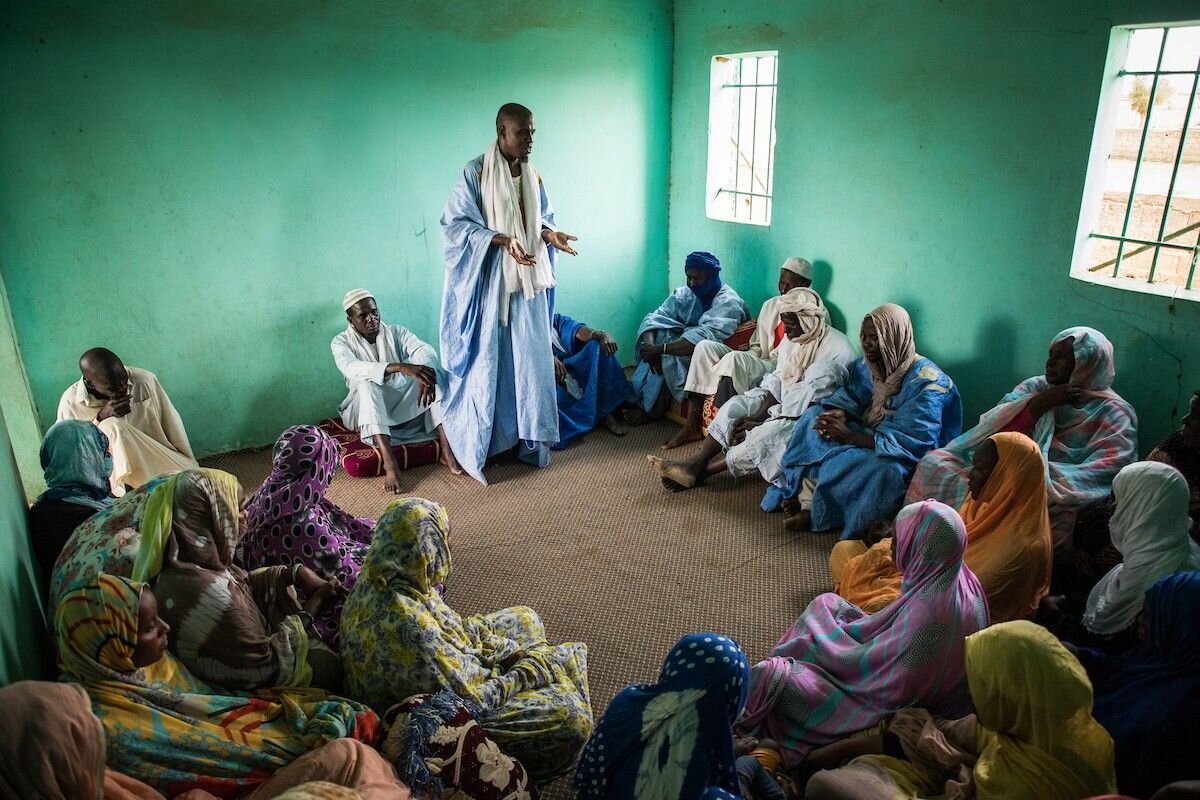
تمكين المرأة في منطقة الساحل والعائد الديموغرافي SWEDD المبادرة الإقليمية، نتيجة استجابة مشتركة من الأمم المتحدة ومجموعة البنك الدولي، هي استجابة لدعوة وجهها رؤساء دول الساحل الستة: بوركينا فاسو، وتشاد، وكوت ديفوار، ومالي، وموريتانيا، وأفريقيا. النيجر. ويهدف المشروع إلى المساعدة في زيادة تمكين النساء والفتيات المراهقات وحصولهن على التعليم الجيد وخدمات الصحة الإنجابية وصحة الطفل والأم.
يتعاون صندوق الأمم المتحدة للسكان والبنك الإسلامي للتنمية (IsDB) لتطوير منصة رقمية جديدة على شبكة الإنترنت للشباب في بنغلاديش تسمى Alapon Online.من خلال المنصة، سيتمكن الشباب من الاتصال بالمستشارين ومراسلتهم مجانًا و الحصول على معلومات سياقية حول الصحة والحقوق الإنجابية، والعنف القائم على النوع الاجتماعي، وغيرها من القضايا ذات الصلة بالمراهقين والشباب.
لمزيد من المعلومات، اتصل بالفريق على rmb@unfpa.org