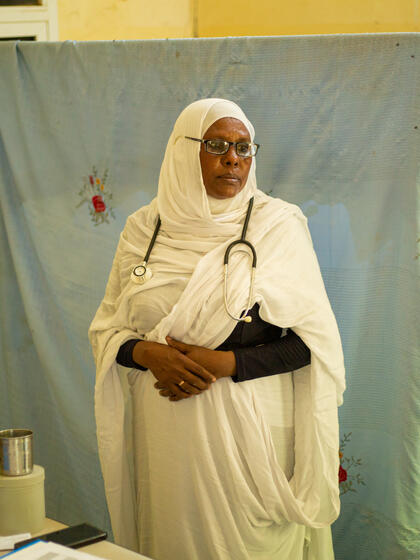
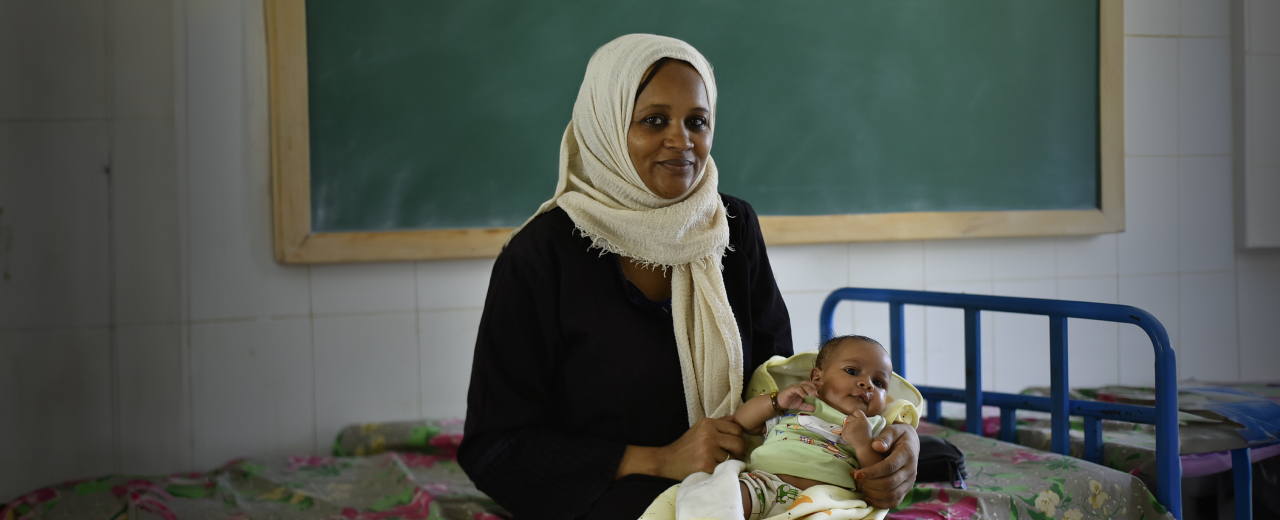
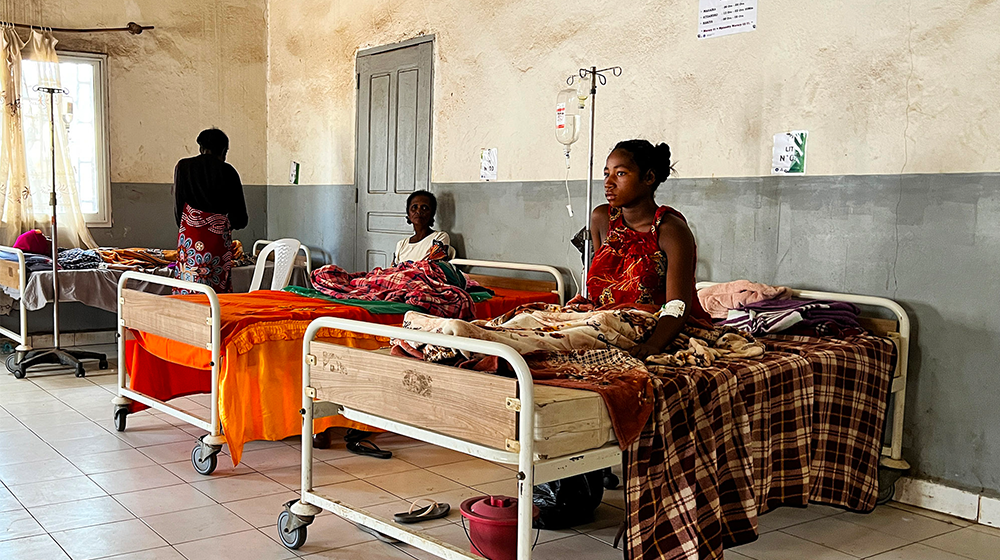
Basic emergency obstetric and newborn care: This is critical to reducing maternal and neonatal death. UNFPA is the leading organization around the world providing access to maternal health care during crises.
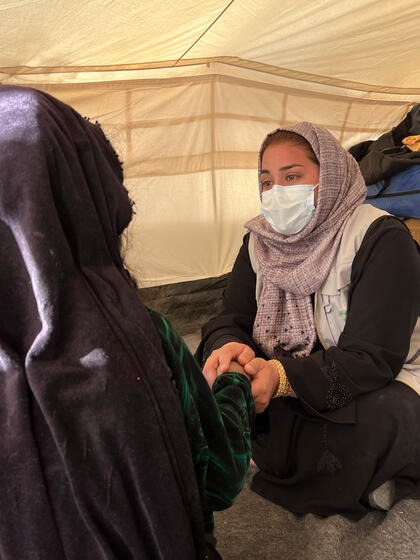
The response is tailored to the circumstances of each crisis. Ad hoc delivery rooms may be set up in damaged health buildings, mobile health clinics may be dispatched, and midwives are sometimes provided with motorcycles. More comprehensive services are organized when the worst of the crisis has passed. UNFPA also provides on-the-ground training for health workers and midwives.
UNFPA provides training for health care workers on safe delivery and basic and comprehensive emergency obstetric care. We also provide equipment, medicine and supplies. UNFPA is the global custodian of reproductive health kits that are provided to visibly pregnant women, and health centres and hospitals.
Family planning: Many couples want to avoid, or delay, pregnancy and childbearing during crisis situations, but lack the means to do so. The absence of voluntary family planning in emergencies, including condoms and emergency contraception, increases the risk of unintended pregnancies, health risks for pregnant women, and possible health consequences for those who resort to unsafe abortions. Restoring access to safe, effective contraception protects the lives and well-being of women and enables crisis-affected couples to make their own choices, exercise their rights and manage scarce family resources more effectively. UNFPA provides modern contraception and training for health workers and community outreach workers.
Clinical management of rape: Sexual violence occurs in all types of humanitarian settings, especially in conflict situations. Survivors of sexual violence can be of any sex, gender or age, though they are disproportionately women and girls. Rape can have severe negative physical, mental and social consequences for the survivors as well for their families and the larger community. Survivors may suffer from depression and anxiety, HIV or other STIs, unintended pregnancies, or stigma from family and community members. UNFPA supports health care providers so they are trained to provide compassionate and confidential medical treatment, counseling and care for survivors. UNFPA provides post-rape treatment kits and other life-saving supplies and ensurses that survivors receive mulitsectoral services including mental health and psychosocial support, legal support, and other services.
Sexually Transmitted Infections: In times of crisis, many factors – including the breakdown of social and information networks, the separation of families, a lack of condoms, and an increase in sexual violence and high-risk behaviour – leave individuals especially vulnerable to contracting STIs, including HIV. UNFPA is the largest international supplier of condoms and supports the prevention and treatment of STIs through the provision of condoms, drugs and other supplies. UNFPA also supports the training of health care providers to recognize and diagnose symptoms, provide effective and confidential treatment, and conduct outreach and information campaigns.
UNFPA provides health facilities with supplies and equipment for safe blood transfusion and sterilization of instruments, instructions for maintaining universal precautions for HIV prevention. This also includes the provision of the medication, testing equipment and training needed to administer post-exposure prophylaxis and to protect health workers who may have been exposed to infected blood.
Humanitarian supplies: Since 1998, UNFPA has played a critical role in ensuring the availability of life-saving sexual and reproductive health supplies in emergencies on behalf of the international community. UNFPA procures and manages reproductive health kits for use in humanitarian crises, which include all of the pharmaceuticals, medical devices and supplies needed for the sexual and reproductive health for women, men, boys and girls in the first days of a humanitarian emergency.
These kits are designed to respond to various population sizes and needs. Family planning kits contain condoms, oral and injectable contraceptives, and intrauterine devices. Maternal and neonatal health kits cover clinical delivery assistance and basic and comprehensive emergency obstetric care, with essential equipment and medical supplies. Other kits contain supplies used in the treatment of sexually transmitted infections, the management of miscarriage and blood transfusions.
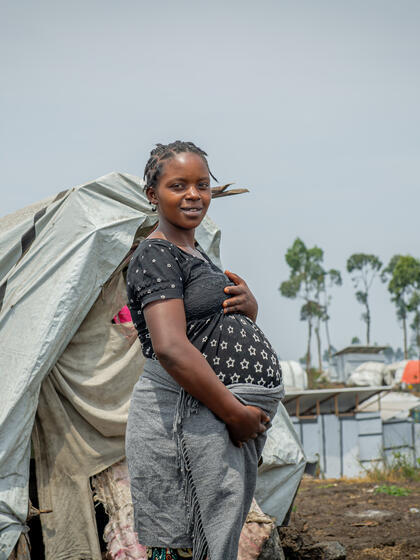
The smallest kit is the clean delivery kit that is provided to pregnant women in humanitarian situations, including displaced women and refugees.
The largest reproductive health kit is the comprehensive emergency obstetric care kit, which weighs over a tonne and supports the establishment of a surgical maternity ward capable of providing Cesarean sections to save the lives of women and newborns. As part of integrated sexual and reproductive health and gender-based violence services, UNFPA also provides post-rape treatment kits to health centres, hospitals and trained providers.
Dignity kits: UNFPA distributes dignity kits, which are accompanied by information on available gender-based violence services, including where and how to access those services. In times of crisis, women and girls often struggle to obtain essential materials,. including soap, culturally appropriate menstrual hygiene supplies, and basic clothing items, which are needed to maintain personal dignity and mobility. Dignity kits may also include items that may help mitigate the risk of gender-based violence, such as radios, whistles and flashlights.
UNFPA ensures the availability of these kits, as well as other medical and non-medical supplies, to affected areas within the first hours of an emergency. When the situation stabilizes, UNFPA conducts assessments to determine local needs and preferences and supports efforts to ensure a responsive, demand-driven and sustainable supply chain, working in close partnership with other international and local actors including the World Health Organization, World Food Programme and the United Nations High Commissioner for Refugees.